Introduction
Your credit score plays a major role in shaping your financial future in Nigeria. Whether you’re applying for a loan, mortgage, or credit card, this number determines your approval chances and the interest rates you’ll pay. Improving your credit score doesn’t happen overnight but with consistent effort, you can unlock better financial opportunities and achieve greater stability. This guide explains exactly how to do that.
Table of Contents
- What is a Credit Score and Why is it Important?
- How is Your Credit Score Calculated in Nigeria?
- Step 1: Check Your Credit Report for Accuracy
- Step 2: Pay Your Bills on Time
- Step 3: Reduce Your Debt-to-Income Ratio
- Step 4: Limit New Credit Applications
- Step 5: Dispute Any Inaccurate Information
- Step 6: Build a Long Credit History
- Common Mistakes to Avoid When Improving Your Credit Score
- Frequently Asked Questions
What is a Credit Score and Why is it Important?
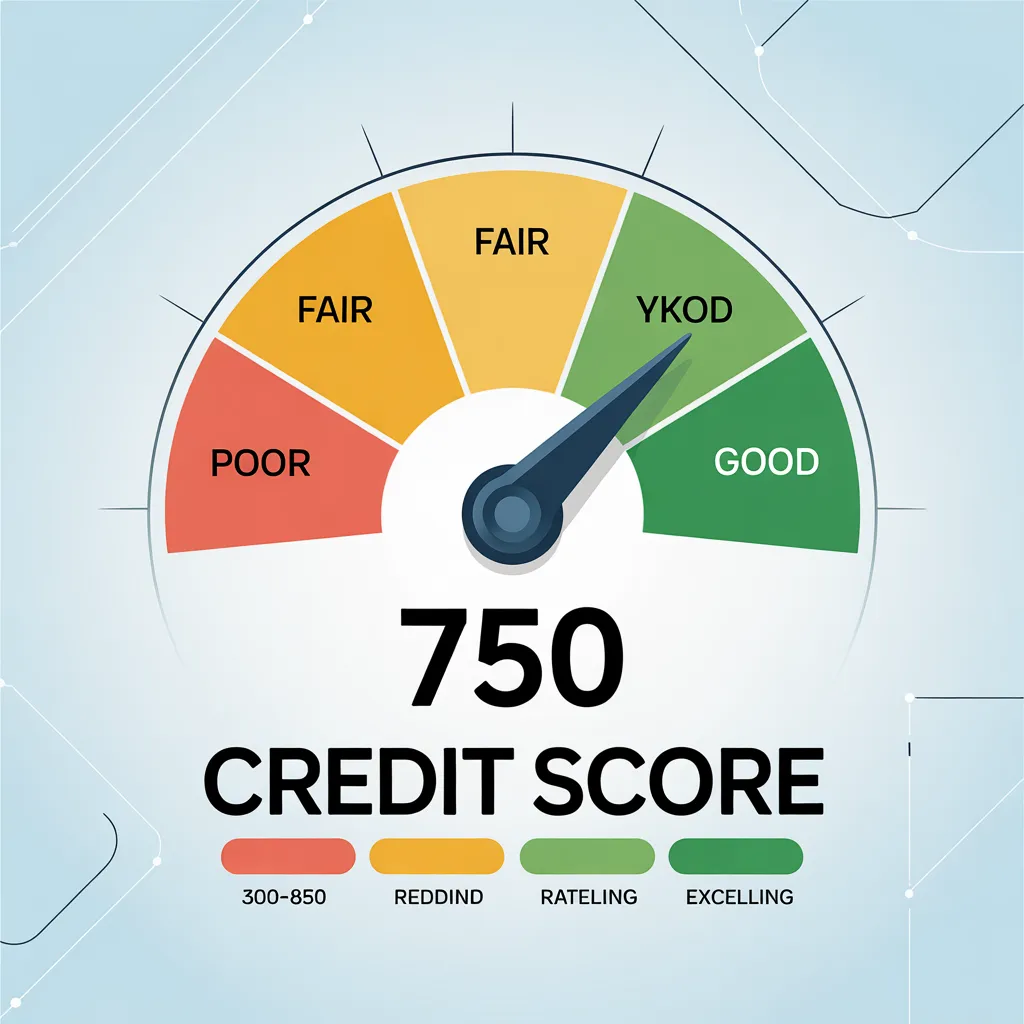
A credit score is a three-digit number that represents your financial reliability and how well you manage debt. In Nigeria, scores typically range between 300 and 850 with higher scores showing stronger creditworthiness.
Why It Matters
A good credit score can help you:
- Get loans with lower interest rates
- Qualify for higher credit limits
- Access better financial products and opportunities
Poor credit, on the other hand, can limit your options and make borrowing more expensive.
How is Your Credit Score Calculated in Nigeria?
Nigeria’s main credit bureaus CRC Credit Bureau and First Central Credit Bureau use several key factors to calculate your credit score:
| Factor | Description | Weight |
| Payment History | Consistency of your on-time payments | 35% |
| Amount Owed | Total debt relative to your credit limit | 30% |
| Length of Credit History | How long you’ve maintained credit accounts | 15% |
| New Credit | Number of new credit applications | 10% |
| Types of Credit Used | Variety of credit accounts managed | 10% |
Each of these areas impacts your overall score, so managing them wisely is essential.
Step 1: Check Your Credit Report for Accuracy
Your first step is to review your credit report and ensure all information is correct.
How to Check Your Credit Report in Nigeria
- Visit a recognized credit bureau like:
- CRC Credit Bureau
- First Central Credit Bureau
- Request your free annual credit report.
- Review it carefully for errors such as repaid loans still listed as unpaid or unfamiliar accounts.
If you find mistakes, dispute them immediately with the bureau to correct your record.
Step 2: Pay Your Bills on Time
Your payment history is the single most important part of your credit score. Late payments can stay on your report for years and significantly lower your score.
Tips for Consistent Payments
- Set up automatic payments or payment reminders.
- Prioritize credit card, loan, and utility payments.
- Keep a calendar or use mobile banking alerts.
Consistent, on-time payments are the fastest way to build trust with lenders.
Step 3: Reduce Your Debt-to-Income Ratio
Your debt-to-income ratio (DTI) measures how much of your monthly income goes toward paying debt. Keeping your DTI below 30% shows lenders you manage credit responsibly.
Ways to Lower Your DTI
- Pay off high-interest debts
- Consider loan consolidation to reduce payment burdens.
- Explore extra income sources like side hustles or part-time work.
Example:
If your credit limit is ₦100,000, try to keep your spending below ₦30,000.
Step 4: Limit New Credit Applications
Every new credit application triggers a hard inquiry, which can slightly reduce your score. Too many inquiries in a short time can make lenders see you as risky.
Pro Tip
Only apply for credit when necessary, and avoid applying to multiple lenders at once.
Step 5: Dispute Any Inaccurate Information
Errors or out dated data on your credit report can unfairly lower your score.
How to File a Credit Dispute
- Identify incorrect information on your report.
- Submit a dispute to the credit bureau.
- Include proof (receipts, bank statements, etc.).
- Follow up credit bureaus must respond within 30 days.
Step 6: Build a Long Credit History
A long and stable credit history signals reliability.
Quick Tips to Build Credit
- Open a credit card (if eligible) and use it responsibly.
- Keep older accounts open.
- Avoid sudden account closures or large credit limit drops.
Over time, this consistent behaviour will steadily raise your score.
Common Mistakes to Avoid When Improving Your Credit Score
- Avoiding credit entirely: having no credit history limits your score growth.
- Maxing out credit cards: aim to use less than 30% of your available credit.
- Paying only the minimum balance: this extends debt and increases interest.
- Ignoring your credit report: unmonitored errors can hurt your score.
Frequently Asked Questions (FAQ)
- How long does it take to improve my credit score?
Typically, it takes several months to a year of consistent effort to see major improvement. - Can I raise my score quickly?
You might see minor gains in 30–60 days by correcting errors and paying down debt. - Does paying off debt improve my score?
Yes, reducing debt lowers your credit utilization ratio, improving your score. - What is considered a good credit score in Nigeria?
A score above 700 is generally considered good. - How often should I check my credit report?
Check your credit report at least once a year, or more often if you plan to apply for a loan.
Finally
Improving your credit score in Nigeria takes discipline and consistency, but the rewards are worth it. By paying bills on time, keeping debts low, and regularly checking your credit report, you’ll build a financial reputation that opens doors to better loans, higher limits, and long-term stability